November Fishing on Tampa Bay
The month of November can provide for some excellent fishing. It gives you a variety of options to target certain species such as, Spanish Mackerel, Snook, Speckled Sea Trout, Redfish, Jack Crevalle, and Tarpon. When targeting a certain species, choosing the right day based of tides and weather, play a crucial role for your success to acquire the target species you are fishing for. If the wind is blowing and a cold front passes through, you will normally find your Redfish and Snook tucked away in the back country hiding from the elements. If you are given a day where the seas are clam and the winds are light, the nearshore beach bite can be fantastic. Fishing nearshore when the weather allows gives you the opportunity to target the pelagic species, like Kingfish, Triple Tail, Cobia, Spanish Mackerel, Bonita, and at times Tarpon. There is a lot of hard bottom located just a few miles off the beaches, where this pelagic fish like to roam along with bait migration that occurs during fall time. Along with the hard bottom you will often see buoys in those areas. These buoys are for Stone Crab, in which the season for harvesting them has just began. Fishing these buoys give you the best chance on catching a Cobia or a Triple Tail. These fish like to prowl around the floating objects in search of bait fish that use the objects as shelter. If you venture a little pass the hard bottom off the beaches in that 5 to 9 mile range, there are also artificial reefs located out there, which make great fish havens for fish to hang out in, while hunting the baitfish that roaming the coast lines during the migration. Fishing for Permit and Cobia off these reefs makes for a real treat when they are stacked and swimming around the structure looking for a tasty treat. Floating a Pass Crab or even Shrimp will surely catch the Permits attention, and chumming the water with live bait will surely get the Cobia fired up and ready to eat.
What Changes in Tampa Bay for November
November is the month where the fish will be on the move. They have the tendency to start to migrate from their summer time areas to their winter time haunts as the water temperatures like to fluctuate with the moving fronts. The days leading up to the cold front can be warmer and have the fish feeding on the flats adjacent to creeks and channels. While days after the front, it will have the water temperature drop and the fish will start to transition into the nearby channels to find warmth until it warms back up again. The temperature sensitive fish such as the Snook, will be the first ones affected by cold fronts as they will normally take off fast to find these warmer water areas. The Redfish and Trout will soon to follow pursuit and when it warms back up they will come back out to start stalking the flats again in search of food.
November Targets Fishing Tampa Bay:
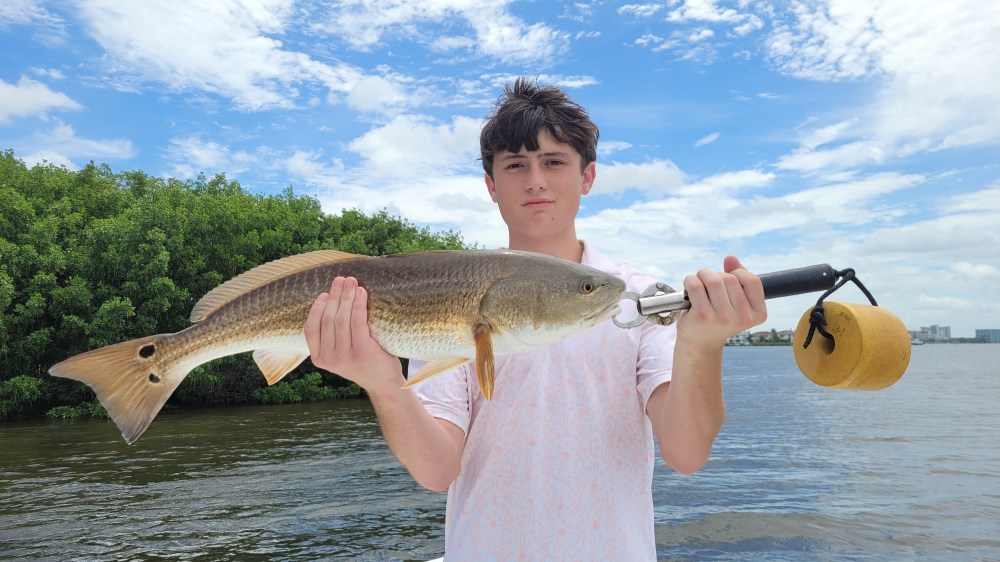
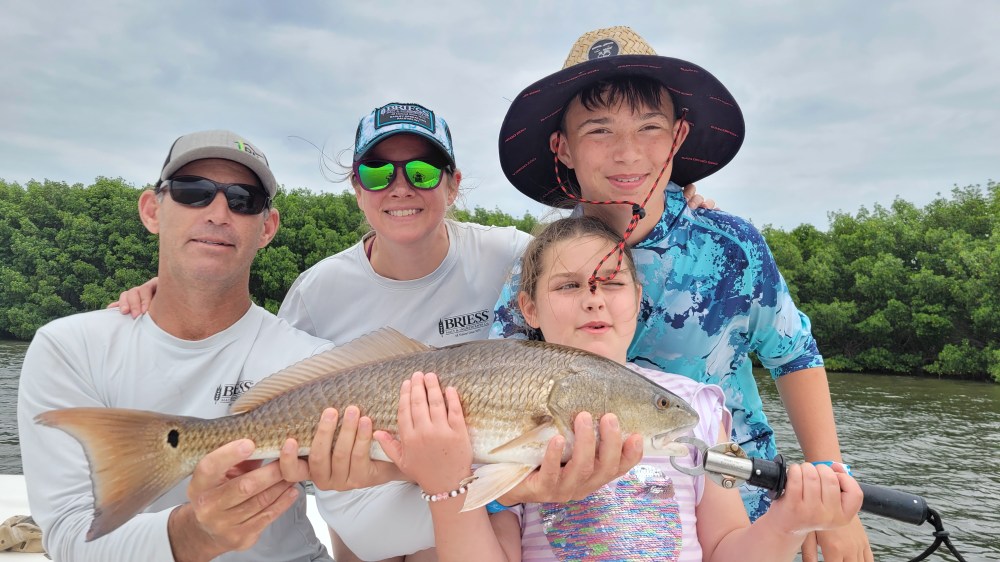
Redfish: during the cold fronts, fish the edges of flats, channel drop offs, and oyster beds in creeks. Fishing post front, target the shallow water flats with sand and mud mixed where it warms up quicker. Stick to using a live Shrimp or an artificial lure you can work slowly across the bottom, like a paddle tail or a swim bait.
Sheepshead: target deep water structure, such as reefs or bridge pilings. and docks in canals. Use Shrimp, or a fiddler crab with light 20 lb leader with a small split shot or knocker type style rig to keep your bail in the zone.
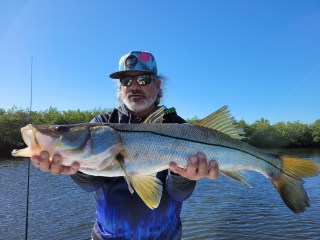
Snook: Focus on drop offs in channels and Creeks when the water is cold, along with docks in the neighborhoods surrounding by mud. When the water warms target the flats adjacent to creek mouths and channels. Using live shrimp, or artificial lures such as D.O.A Shrimp or a bait buster around docks will certainly entice a Snook to strike.
Spanish Mackerel: Locate the hard bottom just off the beaches nearshore. Find the Stone crab trap buoys and fish surrounding areas. Artificial reefs and deep water structure will also have fish stacked on it. Use a live bait like a threadfin or pilchard hooked onto a long shank hook. Chum Heavily with spare bait in the live well, and also lay out a chum bag off the side of the boat to create a chum slick.
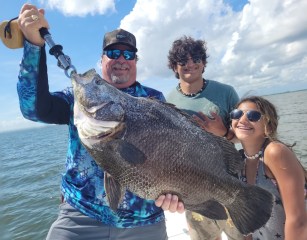
Triple Tail: Target floating debris, crab trap buoys, Sea grass lines, and bridge pilings. Use a shrimp pattern artificial bait, or a live bait under a bobber to keep afloat.
Speckled Sea Trout: Deep water holes located in creek bends, creek mouths, channels, and deep water oyster bars. Fish for trout, using a split shot with a circle hook where water is moving. Start by using an artificial lure such as a paddle tail or D.O.A Shrimp on a jig head to work the water columns. Live Shrimp on bobber or a split shot will also work in the same areas.
Flounder: Using a split shot or a jig head, rigged with a live shrimp dragged across the bottom of deep channels, sand bars, or canals. Also target them on the Artificial reefs using a knocker rig style rigged with a live shrimp.
Black Drum : Target Canal Docks, Bridges, and deep water structure, using a live shrimp, crab, or an artificial bait resembling of the two. Look for tailing Black Drum on the outer edges of the flats during the colder months like the Clam Bar in Ft. Desoto.
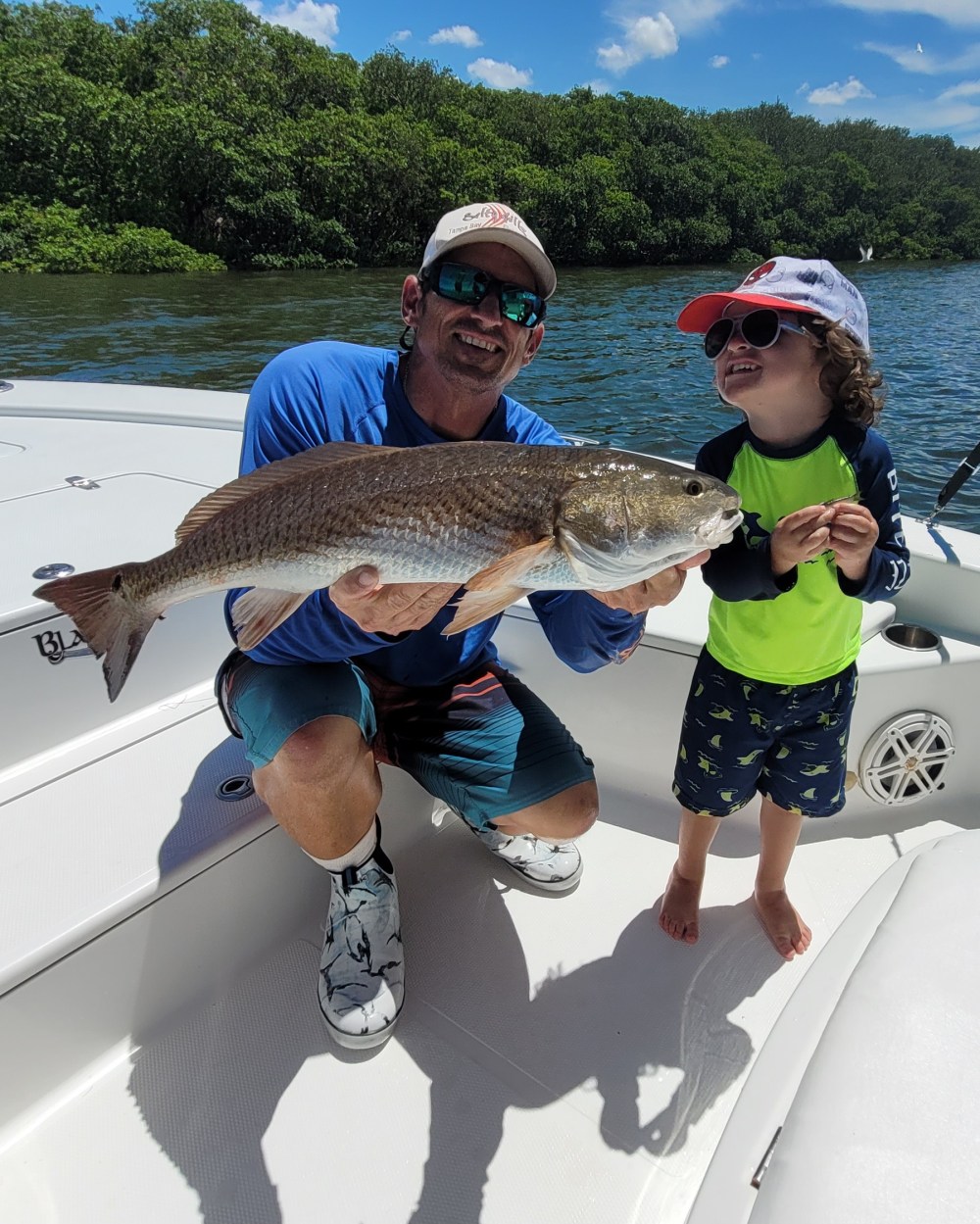
Redfish located on the shallow water flats and canal docks
When fishing in November, it gives us multiple reasons on to why to fish for Redfish in Tampa Bay. During these months on the lower water, it can make for an adrenaline day as you are able to prowl the pristine flats in search of tailing Redfish. As the water drains from the depressions, focus on the edges of the flats or the pot holes where the water falls into. As the water changes to come back in, target the oyster beds and sandy banks for shallow water feeding. When the water is at a negative tide, focus on deep water canals with docks. Using a cut bait, live Shrimp, or Pilchard gives options to use when in hunt for the Redfish. You can also use a gold spoon, or a swim bait to cover more areas in search of them. Shallow water feeding fish differs with different water temperatures. When the water temperatures are extremely cold, try to present your bait to the fish in a more stealth approach using a push pole or a wading technique to get to the shallow water fish. The fish seem to be a little more finicky during days of a post front where the water has the tendency to drop a few degrees, making the fish lethargic. When fishing on a cold morning, post front, starting early is sometimes not the best redfish trip then when starting later in the after noon after it warms up the shallow water flats.
Snook Fishing before Winter time
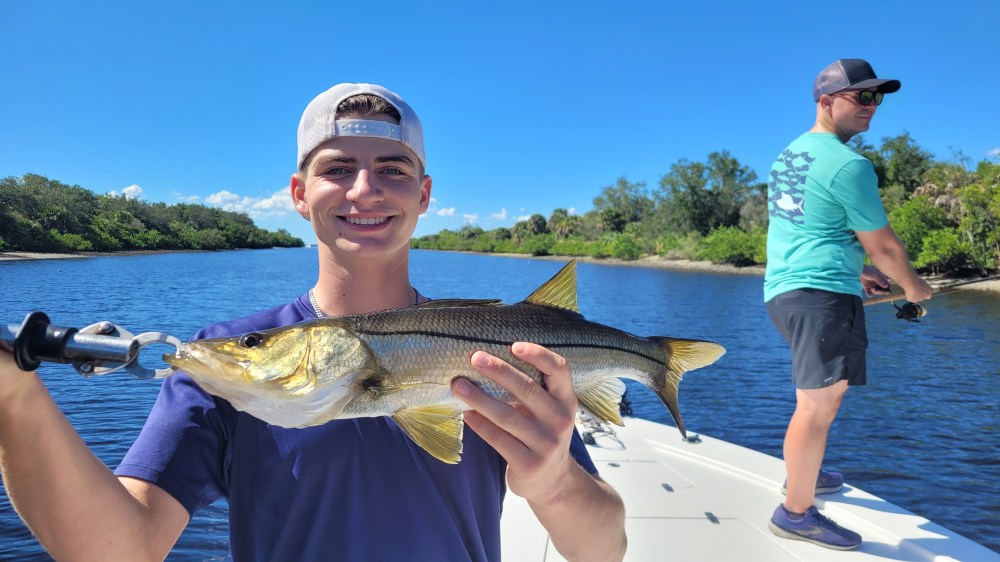
In November, the Snook are in transition to their winter time homes, in which they will stay until it warms back up again. It is less about beach fishing and more about finding warmer areas inshore where these water temperature sensitive fish feel more comfortable in order to feed and stay warm for the upcoming colder periods. Targeting areas with moving water, like points, creek bends and canals systems will be critical in order to be successful on catching snook as winter time approaches. On the warmer days leading up to the front using a live pilchard on flats adjacent these canals, and deep water creeks will work flawlessly where to after the front approaches, using a shrimp or an artificial lure with a slow presentation will be more clutch during the colder periods. Our approach to Snook fishing in Tampa Bay, is to first look at the tide charts and to formulate a plan in which the weather allows us to fish. If it is post front conditions we will target the deeper water canals, and creek systems. If we target Snook on a pre front condition, we will fish for them along the shorelines heading into creek and back c0untry regions.
Spotted Sea Trout Fishing Tampa Bay
Sea Trout become 0ne of our favorite fish to target during the fall transition. They have really become a staple in our fishing industry and as a go to year round. When fishing for Sea Trout during the colder periods, these fish will start to move from the deep water grass flats to the deeper holes located in creeks and canal systems. They find these areas to produce a little bit more warmth in the moving water then as to on the edges of the grass flats. You will also find them located on the deep water oyster beds as the day progresses and the water warms up. When targeting Sea Trout, fishing a live shrimp or a pilchard under a bobber will be really affective. However, nothing beats fishing for trout with an artificial lure. Using a paddle tail, or shrimp patter lure on a jig head will certainly find the fish as you cover more water. The Sea Trout will congregate in large numbers, so when catching one, there is likely more in the area.
Sheepshead and Black Drum around structure
As the water temperatures start to change, and drop a few degrees, this signals the Black Drum and Sheepshead to to start to transition into there winter season homes. You will find these tasty fish along structure and docks, located in canals, Bridges, oyster beds and reefs. An awesome thing about fishing for these two species, is that you can catch them in the same area with the same bait. Using a live shrimp or a fiddler crab with a split shot and number 1 circle hook, will allow you to catch both of these fish. Sheepshead and Black drum should definitely be in your November plans, as they give you an option to break away from the fronts in order to tuck away from the elements and from fishing the same ole target species. When fishing for Sheepshead, it takes awhile to get use to bite. The trick is to not set the hook on the first initial hit, but rather let them keep hitting it until the lines get taunt as you pull up slightly on the rod. Once you feel the line tight with a slight bend in your rod, then you reel to allow the circle hook to settle in their mouths. Rule of thumb, if water is not moving to much, use the least amount of weight you can get away with, since the less weight you have, the better off you are on feeling the bite.
Spanish Mackerel and Kingfish when the weather allows
Targeting these pelagic species, is always a great option in November, when the the weather aligns for you to fish the nearshore areas. Fishing for Mackerel and Kingfish is an exciting trip when the weather cooperates, and the bait is still plentiful in the passes and the beaches. Look for the birds chasing the bait schools on the surface of the water. Also be on the look out for fish crashing the baits on the surface as your underway heading from spot to spot. Locating the birds is crucial when targeting these species, since the birds give away to where the bait fish are schooled up at. Using live pilchards and a chum bag off the side of your boat is a very productive way to get the fish fired up when fishing hard bottom off the beaches. When mother natures tends to give you a breezy forecast for the Gulf, then switching gears from nearshore fishing to Inshore fishing for Sheepshead, Black drum, Snook, Redfish, and Trout will be more productive and safe.
How water Temperatures and Tides play a vital role
Preparation is key to a successful day on the water
Before heading out onto the water, always check the NOAA Marine Forecast for your region, along with the tide charts. After looking at both, formulate a plan to c0nsider what species you will target for the day and where you will go based off the tides. When the Wind blows from a certain direction paired with a certain tide, it will certainly result in having lower or higher tides. For example, for our Tampa Bay region, a hard North east wind with an outgoing tide will allow the water to flow out of Tampa Bay at a faster rate resulting in much lower tides then what the tide charts give you. So plan accordingly, to give your self the best possible outcome on the water.
Warmer water is key
Cold fronts come and go during the month of November, leaving behind some colder water temperatures as they pass by. Locating where the warmer water is will key when targeting your inshore species. As like humans , fish do not like to be cold, when they feel the temperature change they start looking for places to warm up. Target points, passes, and deep water run offs where water is constantly moving. Moving water warms up the water temperatures a degree or two, in which can be a game changer during the most coldest point of the day. As the day progresses and the sun shines bright, focus on fishing the westerly shorelines since the sun has shined on them through out the whole day keeping that shoreline warmer then others where the sun has not been shining. Locating oyster beds and rock piles is always a good idea a well, as these structures warm up nicely and provide a little bit of warmth to its surrounding waters as they heat up faster when the sun shines down onto them.
What Fish are in Season to Harvest
Snook Season is open until the end of November
Snook Season is currently opened for 5 months, March, April, September, October, and November. In the end of November they close until the following year for the Tampa Bay Region. They must be between 28 to 33 inches in order to harvest allowing 1 per person. Any fish not within this range should be release safely back into the waters. You must have needed license and permits to harvest a Snook. Always review the current regulations before heading out to keep to up to date.
Redfish are currently open for the year 2026
Redfish for our Tampa Bay Region are currently open for harvest. The Red fish also referred to as a Red Drum must be between 18 to 27 inches. Any fish outside of this window must be safely released into the waters. You are allowed currently 1 redfish per person but no more than 2 per vessel. Review current regulations before heading out onto the water.
Flounder season is currently closed
Any Flounder caught on our November Fishing Charters will be released safely back into the water. The season for Flounder was closed starting October 15 through the end of November and this applies to State and Federal waters. Check out the current regulations for Flounder to get the information needed to understand the reason for the closer and for size limit updates.
Spotted Sea Trout is open for our Fall Fishing Trips
During our Fall Fishing Charters on Tampa Bay, you will be allowed to keep Spotted Sea Trout. The current regulations are 3 per person, and size limit is between 15 to 19inches. Anything outside of this window we will safely release back into the waters. Visit the current regulations page to stay up today on rules and regulation for any species, as they can change at any time.
When planning a November Fishing Charter
November is a great month, to visit Florida in all of its beauties when out on the water. From watching Dolphins hunting fish, to Rosetta Spoon bills nesting in the Mangroves, it gives you a break from reality. If you are traveling from out of Sate to visit family it is a best practice to plan your fishing charter in advance, so that way when the day approaches if mother nature does not allow us to fish that day you are able to shuffle around a day during you trip to fish another day. Fishing in November gives us anglers plenty of options to fish. We are able to hide out from the elements during the windy days, so do not allow the breezy days to scare you. Remember, the weather will always dictate on where we are fishing and what species we are targeting. We cater from experience anglers to novice anglers and also children 6 and over are always welcomed. When booking a trip, just give us information on the ages of children, and also what level experience fishing you have so we can carve out a game plan to make it a memorable trip.
What to bring on a November Charter
Fishing in November with its weather pattern an be tricky at times. Especially when the forecast shows low temperatures in the morning and mid to high temperatures by the afternoon time. Also when there is a cool breeze out on the water, it will certainly feel colder then what temperatures show for the forecast.
Dress in Layers: I always recommend coming in layers. Bring a wind breaker or a jacket to go over comfortable clothing along with boat shows that keep you dry and do not leave marks.
Sun Protection: Even on the over casted days, the sun is always shining some way to still allow you to get burnt. Sun block lotion instead of the spray kind is preferred. Also bring hats and sunglasses.
Food and Drinks: Bring whatever snacks and drinks you prefer, just no glass please. I will have a cooler with ice on board already so please leave the big coolers in your vehicle to free up space on the vessel.
Everything is included on your Tampa Fishing Charter day, from having bait, rods, reels, ice / cooler, licensing, tackle, and fish cleaning for fish within regulation to keep if harvesting. Review what to bring and F.A.Q for any updates pertaining to our Fishing Charters Tampa Bay.
F.A.Q for Fall Fishing November Trips
Can unexperienced anglers come fish on your trips?
Yes. We pride our selves or helping beginners and children on learning the techniques required to fish. We will re adjust our approach to targeting certain species easier for them to catch and instruct them on how to catch them to make it an enjoyable trip for all.
What months are the best time to fish Tampa Bay?
Whatever month allows you to fish! Fishing is always great year round. Yes there are better days than others depending on tides and weather but you can always be certain to catch something during any months of the year. I myself prefer fall time, because there is so many options out there to fish and you can pick and choose which one you prefer based of the tides and weather forecast for that particular day. Targets that will be around will include, Trout, Redfish, Snook, Mackerel, Jack Crevalle, Black Drum, and Sheepshead.
Do I need a license to Fish?
No. You do not need a license to fish on our Tampa Fishing Charters. Our License allows up to 4 anglers to fish from our private vessel.
Where will we be meeting up for our Fishing Charter?
We pick up from various location across Tampa Bay. After booking a trip and selecting a day, we will decide on which boat ramp to meetup at based off the weather and tides for the chosen day.
Is morning or an afternoon trip better for November?
This is dependent on the weather leading to the trip date. If there is a cold front that passes before our trip date, we will more than likely launch during a later time allowing the water to warm up. If we are fishing before a cold front than we will be fishing the morning hours instead. This information will be given to you after selecting your date and once the weather forecast is present within 48 hours of our trip date.
Booking a Fall Fishing Charter
Fall Fishing is a great time to fish for a variety of species, dependent on the weather forecast. It gives you the flexibility to fish nearshore one day to fishing the back country the next day if the weather goes south. When booking you fishing charter with us, please inform us on your fishing experience levels along with ages of children, so we can put together a memorable experience for you and the family. Reach out to us to reserve your fishing date or if you have any questions pertaining to any of the charter options that are available on our website. Stay in the loop and do not forget to check out our fishing reports.