Inshore Flats Fishing Tampa Bay : How to guide
How to fish an inshore flat
Growing up as a kid living in Tampa, I started my fishing career chasing Large Mouth Bass on ponds that were within bike riding distance. I will always cherish the night before planning my fishing day by rigging rods and tying knots, in order to get ready for the great outdoors the next day. That feeling you get, the night before you go fishing the next morning still lays within me until today. I still prep the night before a day of fishing, because it just basically means more fishing time instead of tying things up the day of right? Same goes for Flats fishing, whether your wading or fishing from a boat, it is always best to rig the night before because you do not want to be messing around the day off when your treading through water or on a hot bite. After preparing and making a plan for your adventure, the next move is the approach on the flat. You can view many resources now a days that will provide the layout of Tampa Bay. Although the old school approach would be using maps that they have created that show the foundation on which Tampa waters are laid on. The new and improved resource is Google Earth, which is a great tool to have to look at areas you plan to fish. The topography on it is unbelievable in order to distinguish great fish areas that you plan to target. You can plan out with the tides of course, ambush points in which targeted species such as, Red drum, Snook, and trout can be located.
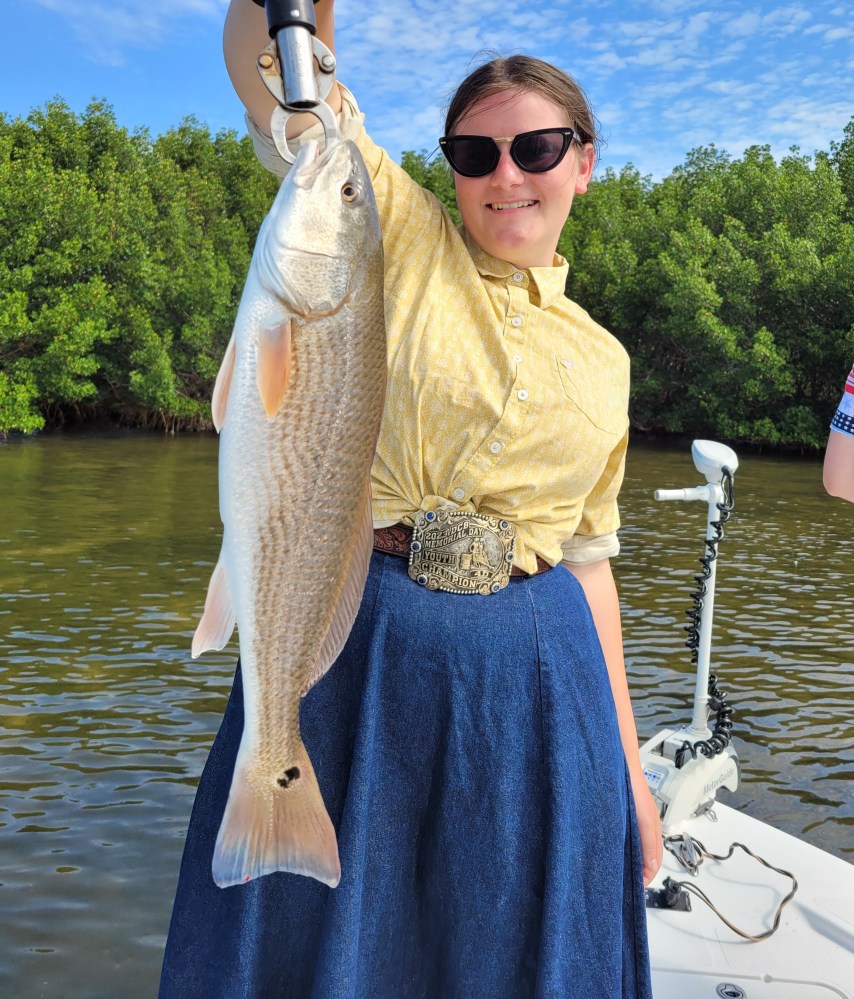
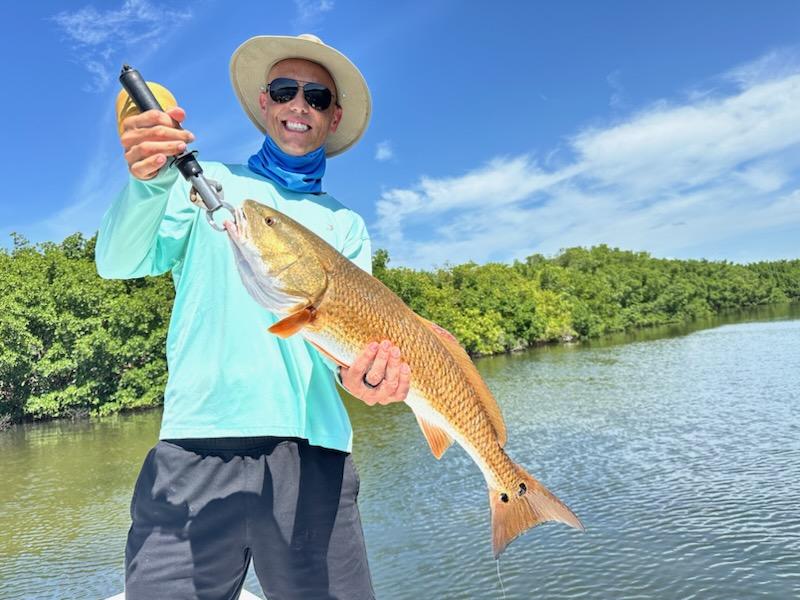
Once you have done your homework and scouted some areas on Google Earth, then you can get on the water and start your search. When approaching flats, the first thing to seek would be activity. Rather it be baitfish, birds, or mullet schools going down the mangrove lines or sandy flats. My personal favorite thing to look for especially when targeting Red Fish are birds that roam the shallows. The reason is because these birds are feeding on the same type of diet most of the time that the Red fish are eating on. The best time to locate these birds on the shallows would be during low or negative tides which are based on Full and New moons. They can be birds such as pelicans, egrets, herons, or my personal favorite the Rosetta Spoonbill. Other things you can look for are oyster bars, sand bars, or pot holes which are sandy holes surrounded by grass. We call it a checkered bottom and the fish love to sit in them ambushing their prey on moving tides.
The Approach on the Flat
As you get on the flat and determine your game plan, strategically plan your attack on the flat by moving slowing with your trolling motor, push pole, or even when wading walk slowly to these areas. When you get to them, stay put and start working the area by fan casting your baits, artificial or live working them methodically. Give each spot at least 15 minutes or so for a bite and if not successful move on to the next area you decided on the flat you spotted by your research to try and repeat this process. Once you get a bite, stay in that area, because that is the area on the flat the fish decided to stay on for the day to eat. Flats will hold more targeted species then others depending on the time of year. A lot of it has to do with water temperature so be sure to check on your machine in order to determine your depth of the flat or which part of the flat you plan on working, as flats have depressions, troughs, and drop offs you can target.
Baits of choice
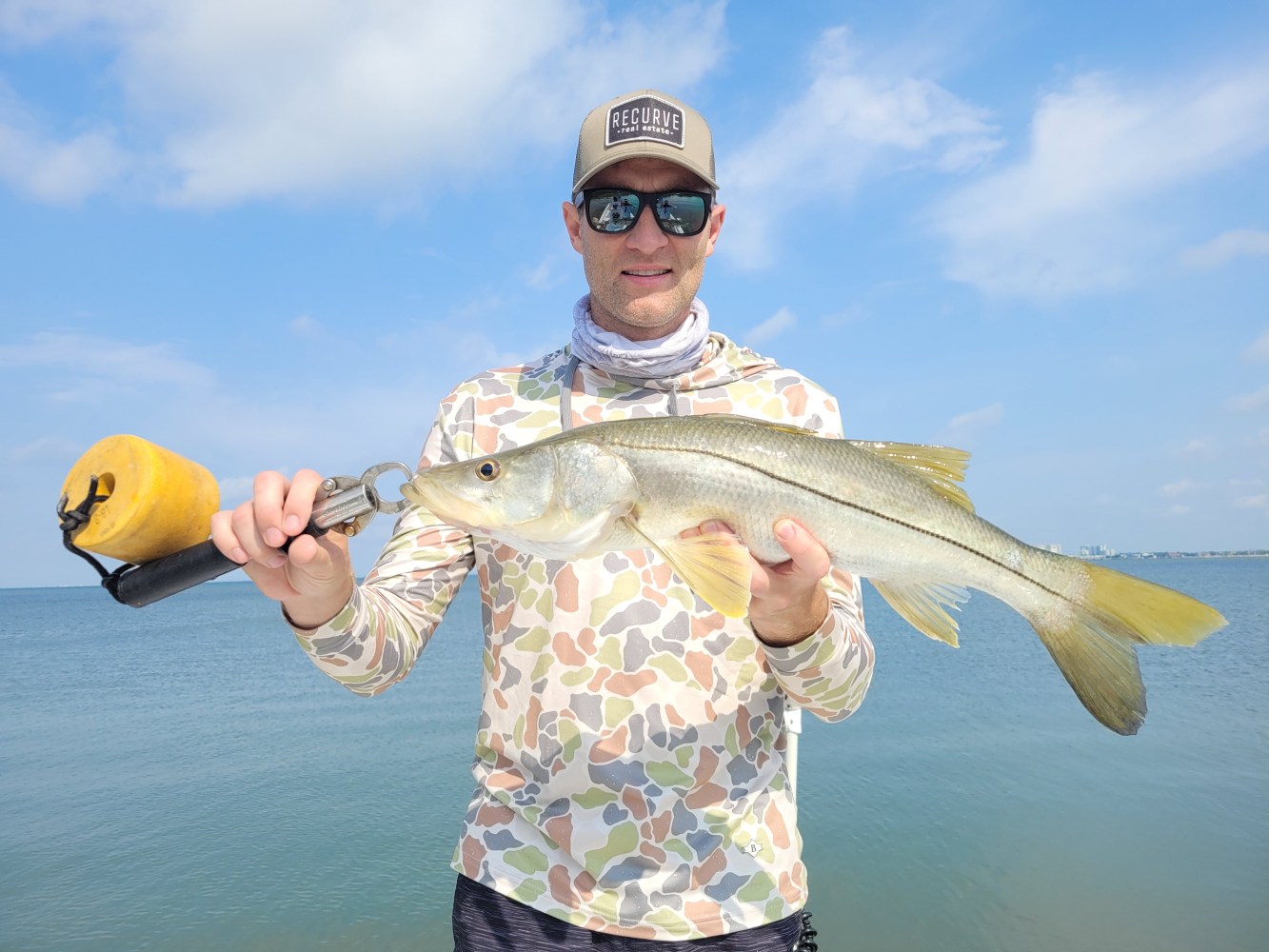
As far as what baits to try or how to work them is based on the time of year and the water temps. Rule of thumb is if its cold outside, I look to use a slow retrieve on sandy or muddy bottom as these areas hold heat as the sun comes up. I work the lure slow because the fish are lethargic and really do not want to chase a bait burning energy. You can also use this same technique inside creeks on the bottom using a quarter ounce jig head. For more of the warmer months, a slow steady retrieve can be awarded with an awesome catch as fish are more in favor on chasing baits down. You can use mirror lures, spoons, or even a swim bait for this, but us Tampa Fishing guides like to use chum baits full of tasty pilchards to get them fire up for a fun exciting day.
Fishing is fun no matter what technique you like to use and just like everything else practice makes perfect. It is true the more time on the water the better you will get as you will see all these things more often and it will just be molded into your head and ready to use on your next outing. As a Tampa Fishing Guide we cater to all levels. Rather you want to try your skills on artificial or live bait, we would love to get you on the water for a fun memorable experience. Tight lines!